A lot of people battle with fuzzy vision, and for certain individuals, the frustration of relying on spectacles or lens contacts can be overwhelming. If you're among those looking for a more long-term solution, vision replacement surgery might be the solution you've been searching for. This advanced procedure not only treats issues like cataract and presbyopia but also offers a way to achieve crystal-clear vision without the constraints of conventional corrective eyewear.
As we age, our vision often worsens, leading to the need for increasingly higher prescriptions. Luckily, advancements in replacement lens tech have made it achievable to customize vision correction options to fit personal needs. From alleviating the impacts of severe myopia and hyperopia to enhancing night vision and reducing halos and glare, lens replacement surgery delivers benefits that go beyond just clearer sight. Come with us as we disclose the misconceptions surrounding this life-changing procedure and explore what you really need to know about lens replacement surgery.
Grasping Lens Substitution Options
Lens replacement surgery provides various options customized for personal vision requirements and ways of living. A frequent approach involves corrective optical exchange, in which the original optical element is swapped for a premium intraocular IOL to improve sight at various distances. Such https://writeablog.net/tobie9dewitt/changing-ones-point-of-view-a-deep-dive-right-into-lens-restoration-procedure is particularly advantageous for individuals experiencing age-related vision changes, permitting them to see both near and far free from the constant hassle of glasses.
In the case of individuals with specific sight challenges, like high nearsightedness and farsightedness, tailored optical substitution is offered. High farsightedness optical replacement can significantly improve sight quality, helping individuals that experience struggled with focusing at different distances. Likewise, severe myopia optical replacement can correct extreme myopia, providing a lasting fix which traditional methods may not offer. Furthermore, options like trifocalized and long-range depth of focus lenses cater to different viewing needs, enhancing the experience for tasks requiring distinct focus areas.
In addition to addressing regular vision problems, optical substitution surgery can address issues associated with cataracts or ocular dryness. The introduction of adjustable optical components provides another layer of customization, enabling tweaks post-surgery for refine sight when necessary. Using custom lens replacements, patients are able to pursue an active way of life and enjoying athletic activities without the hindrance of spectacles, rendering this surgery a valuable option for those seeking clear vision and freedom in daily daily activities.
Benefits and Considerations
Lens replacement offers numerous significant advantages that can enhance the quality of life for individuals facing with vision problems. https://www.insider.com/woman-experiencing-chronic-eye-pain-after-laser-eye-surgery-tiktok-2021-6 of the primary advantages is the capacity to achieve good vision at multiple distances, especially with the use of state-of-the-art intraocular lenses such as multifocal or extended depth of focus (EDOF) lenses. This can reduce or even abolish the need for spectacles or contact lenses, allowing for a more dynamic and liberated lifestyle. For those experiencing cataracts or other visual deficiencies, lens replacement can bring back clarity and enhance overall visual health.
However, it is crucial to take into account potential issues and the unique circumstances of each patient before undergoing the surgery. Some individuals may have side effects such as light rings or visual disturbances, particularly at night, which can impact their comfort and visual experience. Furthermore, the surgery may not be suitable for all patients, particularly those with certain existing health issues or those who are not good candidates for specific lens types. Speaking with an eye care professional is critical to determine individual suitability for the procedure.
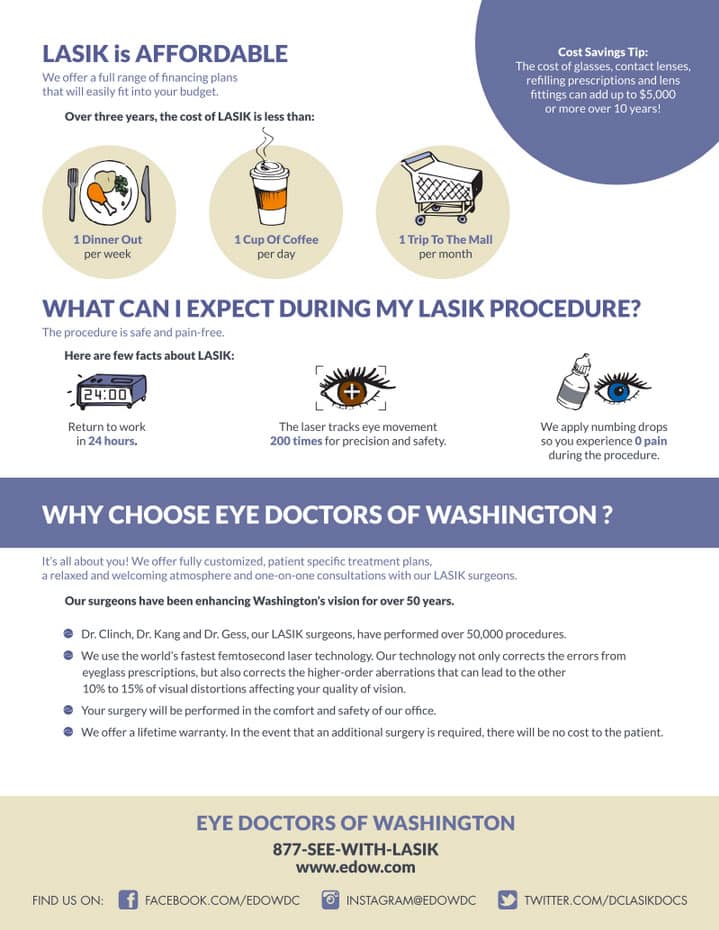
Cost is another crucial factor to take into account. While lens replacement surgery can provide sustained benefits, the financial implications can differ based on the chosen lens type, the difficulty of the procedure, and where you are. It is recommended to weigh the cost against potential ongoing expenses for glasses or contact lenses in the future. Investigating insurance coverage or financial options may help make this vision correction option more accessible to those considering it.
Lens Replacement for Specific Vision Needs
Lens replacement surgery has emerged as a flexible solution for multiple eye conditions beyond cataracts. For individuals with high hyperopia, this procedure can successfully enhance their sight quality and minimize reliance on eyewear. By replacing the natural lens with a high-quality intraocular lens, patients can experience improved long-range vision while managing the challenges associated with high hyperopia. This personalized approach is especially advantageous for those who have trouble with the drawbacks of traditional glasses.
Similarly, lens replacement surgery offers substantial advantages for those with extreme myopia. Taking out the natural lens and substituting it with a specific intraocular lens allows for precise correction of myopia. This procedure can reduce the risk of later problems associated with high myopia, such as retinal issues, while providing patients with the freedom to participate in everyday activities without the need for glasses. Understanding the alternatives available for extreme nearsightedness can help patients make wise choices regarding their eye treatment.
For individuals aged 45 and older, lens replacement surgery can be an efficient strategy to combat vision decline due to aging, a condition that commonly affects vision as people age. Custom lens replacement options, such as trifocal lenses, cater to the varied sight requirements associated with the aging process. These state-of-the-art lenses help boost reading ability, distance vision, and intermediate vision, allowing patients to enjoy a more active lifestyle without the ongoing requirement for bifocal lenses or combined vision eyewear. By addressing these specific age-related vision changes, lens replacement surgery can enhance overall life quality.
Cost and Accessibility of Lens Replacement
The cost of lens exchange surgery can differ considerably depending on elements such as the kind of internal implant chosen and the complexity of the operation. On the whole, individuals can expect to pay between $3,000 and five thousand USD for each eye if they choose for premium lens options. These costs may include pre-surgery assessments, surgical fees, and post-surgery appointments. Lens Replacement Patient Reviews considering the surgery should also account for potential extra costs related to specialized lenses, such as multifocal or light adjustable lenses, which can improve vision results but come at a higher price point.
While lens replacement operation is often considered as an out-of-pocket expense, some health plans may offer partial coverage. It's essential for patients to check with their insurers to understand what, if any, expenses will be covered. Additionally, payment plans are often offered, allowing individuals to spread costs over an extended period. This can render lens exchange a feasible choice for many individuals, as the benefits of better vision may surpass the upfront cost.
Availability can also be affected by location and the access of qualified ophthalmologists. In urban areas, there tends to be a wider variety of experienced surgeons and advanced surgical centers. However, patients in rural areas may need to commute for the procedure, which can increase overall costs. Patients should research local surgeons and ask for referrals to ensure they choose a reputable doctor who can offer personalized care specially suited to their vision needs.